Empathy for the Pain of the Conflicting Group Is Altered Across Generations in the Aftermath of a Genocide
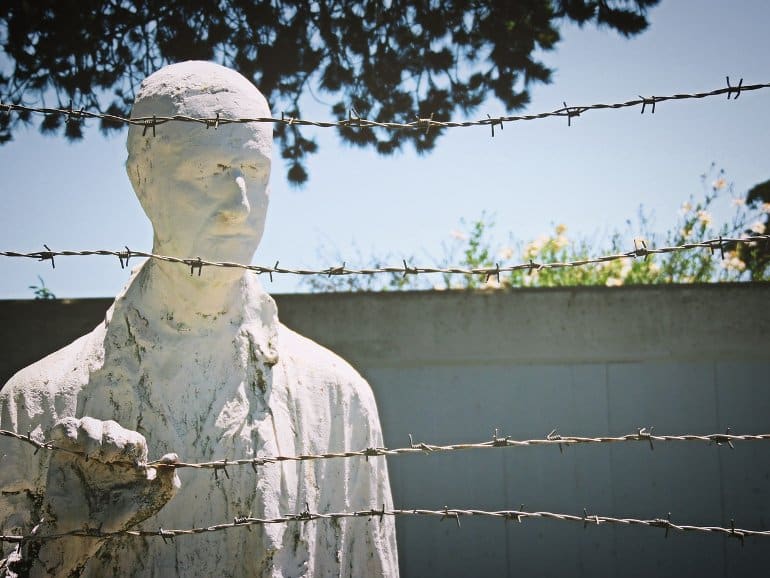 Children of both perpetrators and survivors of genocide display the same ingroup biases of their parents, even though they did not experience the event themselves. This may explain why conflicts can last over generations. The study also suggests it is difficult for survivors and perpetrators to let go of intergroup biases following a tragedy.
from Neuroscience News https://ift.tt/n4ovrw7
Comments
Post a Comment