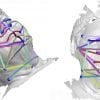
 Using 3D imaging and artificial intelligence, researchers discovered the shortest distance between two points on the curved surface of the face predicted, with 89% accuracy, which patients had sleep apnea.
from Neuroscience News https://ift.tt/2zvEcry
Comments
Post a Comment